

 Login
Login

How to choose the right food for our dog?
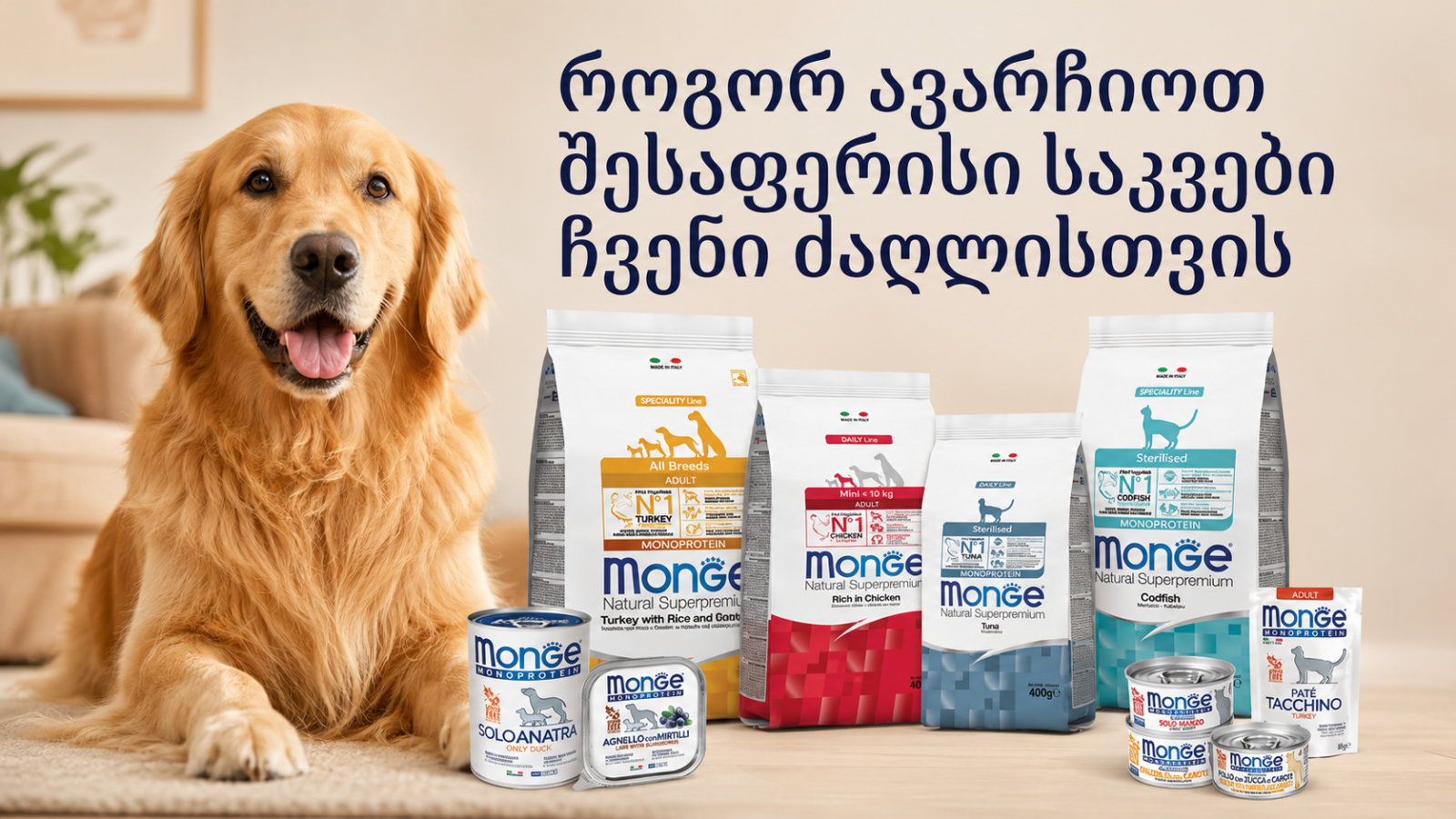
Choosing food for your dog is not just about choosing the right flavor. Its daily energy, body weight, skin and fur condition, digestion, and overall quality of life depend on proper nutrition. However, due to the variety of packaging available in stores, it is often difficult to figure out which product is right for your four-legged friend.
When choosing food, it is important to consider not only the list of ingredients, but also the dog's age, size, activity level, health status, and the nutritional standards of the manufacturer itself.
1. First, consider the dog's age.
A puppy, adult, and senior dog have different nutritional needs.
Puppy food Designed for the period of growth and development.
Adult dog food Helps maintain a stable weight and daily energy.
Food for senior dogs Yes, it usually takes into account his changed activity and age-related needs.
Therefore, be sure to look for the age recommendation on the packaging: Puppy/Junior, Adult Or Senior. Just because a dog finds a particular food tasty doesn't mean it's appropriate for his age.
Monge's range also includes formulas designed for different life stages—puppies, adults, and senior dogs—making it easy to find the right option.
2. Consider the size and breed of the dog
Small and large dogs have different energy requirements and eating habits. A small breed dog will find it easier to chew a smaller kibble, while a formula for a large dog should be tailored to its weight and daily needs.
You may find the following signs on the packaging:
- Mini or Extra Small — for very small and small dogs;
- Medium — for medium-sized dogs;
- Maxi — for large dogs;
- All Breeds — For dogs of different sizes.
If you have several dogs of different sizes at home, this doesn't mean you have to feed them all the same food. They may need different portions or different formulas.
3. Pay attention to lifestyle and activity
A dog that is active all day long and a calm dog that lives mostly indoors do not need the same amount of energy.
If your dog runs, exercises, or spends a lot of time outdoors, a food tailored to their activity level may be more appropriate. For a dog that is less active or prone to obesity, it is important to control calories and daily portion size.
The amounts indicated in the feeding chart are a starting point and not a fixed rule for all dogs. The serving size should be adjusted to the dog's weight, activity level, and body condition.
4. Don't judge food by the front of the package alone.
Beautiful packaging and the words „premium“ or „natural“ are not enough information. It is advisable to check:
- What age is the product intended for?;
- Is it a complete daily food?;
- Which animal protein is used?;
- How many servings are recommended?;
- Who is the manufacturer?;
- How is product quality controlled?;
- Is there sufficient nutritional information available to the consumer?.
5. Choose a more specific formula for sensitive digestion
Some dogs may not respond well to a particular ingredient. Look out for signs such as:
- Frequent diarrhea or very soft stools;
- Bloating after eating;
- Frequent itching;
- Skin redness;
- Repeated irritation of the ears;
- Excess gases;
- Loss of interest in food.
In such cases, do not change the food arbitrarily many times. The cause of the problem is not always food, and it is safer to consult a veterinarian for the right decision.
Sometimes a specialist will recommend a diet based on a single animal protein source — a monoprotein — for example. For example, certain formulas of Monge Natural Superpremium Monoprotein are designed using a single animal protein source and are marketed as a complete food for adult dogs.
6. Dry or wet food?
Both formats have their advantages.
Dry food It is convenient to store, easily divided into portions, and practical for everyday meals.
Wet food It has higher moisture content and is often liked by dogs that drink less water or are picky about their food.
It is also possible to mix them, but in this case, you should consider the calorie content of both products. It is not permissible to add wet food to a full serving of dry food without reducing the total amount - this can lead to excess calorie intake.
Monge's lines feature both dry and wet food, so within one brand, it is possible to choose a combination tailored to your dog's taste and diet.
7. Introduce new foods gradually.
Replacing an old food with a new one completely in one day can cause digestive upset. It is best to gradually mix the new product with the old food:
The first days: Mostly old food and a small amount of new;
Next stage: Gradually equalizing old and new foods;
The last stage: Increasing the proportion of fresh food and reducing the proportion of old food.
A complete transition usually takes about a week, although a sensitive dog may need more time. Monge's official feeding guidelines also recommend introducing the new diet gradually, over at least a week.
How do we know if a food is suitable for a dog?
The effectiveness of a food is not just measured by how quickly your dog eats it. Pay attention to the following signs over the course of a few weeks:
- The stool is stable and formed;
- The dog maintains a healthy weight;
- Have enough daily energy;
- The fur looks well-groomed;
- The skin is not irritated;
- There is no discomfort after eating;
- Food is eaten with pleasure, but there is no constant feeling of hunger.
If your dog is gaining or losing weight significantly, has persistent gastrointestinal problems, is itchy, vomiting, or has a loss of appetite, consult your veterinarian.
Finally, which food should we choose?
There is no single best food for all dogs. The best diet is one that is complete and appropriate for your dog's:
- Age;
- Size;
- activity;
- Body weight;
- Taste;
- Digestive characteristics;
- Health status.
When you have a variety of ages, sizes, protein sources, and feeding formats available in one brand, it becomes easier to find the right option. That's exactly what Monge's dog food line has to offer — but the final choice should always be made based on the information on the packaging, your dog's reaction, and, if necessary, your veterinarian's advice.